
For the millions of people living with diabetes, foot care is a critical part of a healthy lifestyle. Diabetes can damage blood vessels and nerves, particularly in the feet and legs. This can lead to a condition called neuropathy, or nerve damage, which reduces your ability to feel pain, temperature, or pressure. It can also lead to poor circulation, making it difficult for wounds to heal.
This combination of factors means that even a minor cut or blister can quickly escalate into a serious problem. That’s why being proactive with your foot health is essential for preventing severe complications.
Daily Foot Care Tips for Diabetics
By following a few simple steps each day, you can significantly reduce your risk of foot complications:
- Inspect Your Feet Daily: Check the tops and bottoms of your feet, as well as between your toes, for any changes. Look for redness, swelling, cuts, blisters, or sores—even if you don’t feel any pain. Using a mirror can help you see the bottom of your feet more easily.
- Wash and Dry Thoroughly: Wash your feet daily with warm (not hot) water and mild soap. Be sure to dry them completely, paying special attention to the areas between your toes to prevent fungal infections.
- Moisturize Your Skin: Apply a good quality foot cream to keep the skin from becoming dry and cracked. However, avoid putting cream between your toes to prevent excess moisture from building up.
- Choose the Right Socks and Shoes: Opt for socks that are well-fitting and made of moisture-wicking materials like cotton or wool. Avoid socks with tight elastic bands that can restrict blood flow. Ensure your shoes fit properly and have plenty of room to avoid rubbing or pressure points.
When to See a Podiatrist
While daily at-home care is vital, professional support is a non-negotiable part of a diabetic care plan.
- Regular Check-Ups: A podiatrist should be part of your healthcare team. We perform thorough examinations to monitor for early signs of neuropathy, poor circulation, and other potential issues that you may not feel.
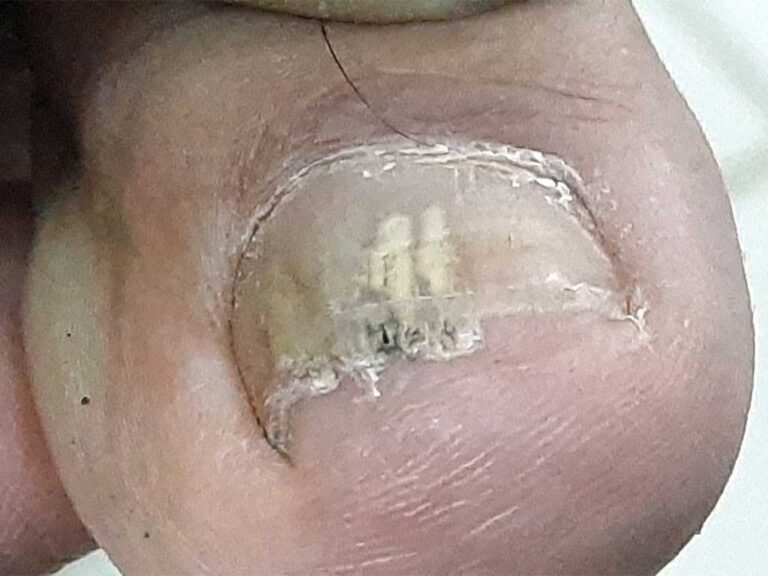
- Professional Nail Care: We safely trim toenails and manage thick or ingrown nails to prevent accidental cuts that could lead to infection. We strongly advise against performing this yourself, as it can be risky for people with reduced sensation.
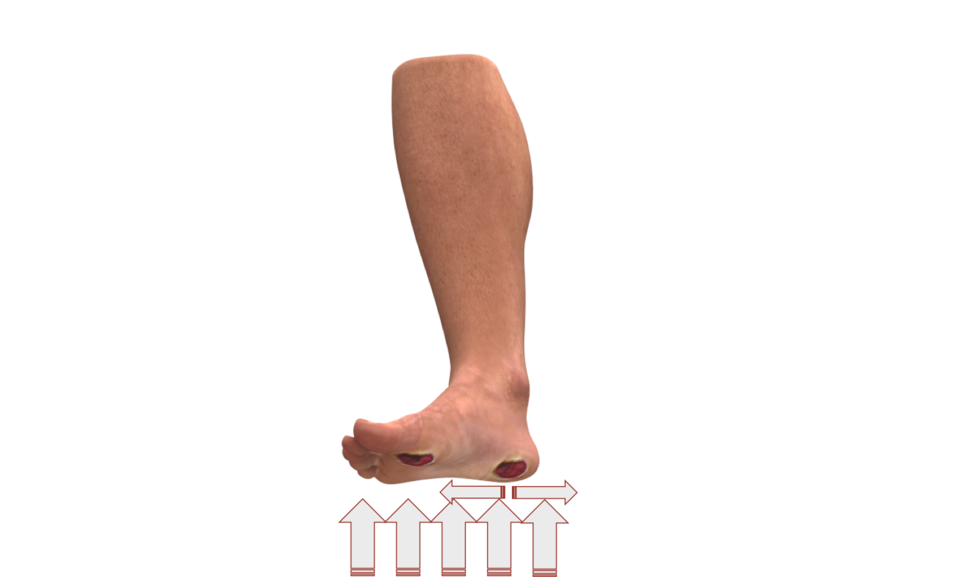
- Safe Callus and Corn Removal: Hard skin and calluses can lead to pressure sores and ulcers if not managed correctly. We can safely remove these without risking injury. Never attempt to remove calluses yourself with sharp tools, as this can cause a serious wound.
- Expert Wound Care: If a wound, blister, or ulcer develops, immediate professional treatment is crucial. We provide intensive care to ensure these wounds heal properly and do not lead to serious infections like gangrene, which can result in sepsis or amputation if left untreated.
Managing your foot health with diabetes is a team effort. By combining diligent daily care with regular appointments, we can help you stay healthy and active. If you notice any changes or have concerns, contact us at Infinite Podiatry immediately. Don’t wait until a small problem becomes a major one.